Column · @spenceripus519
Emergency Dentist Ventura for Urgent Wisdom Tooth Pain

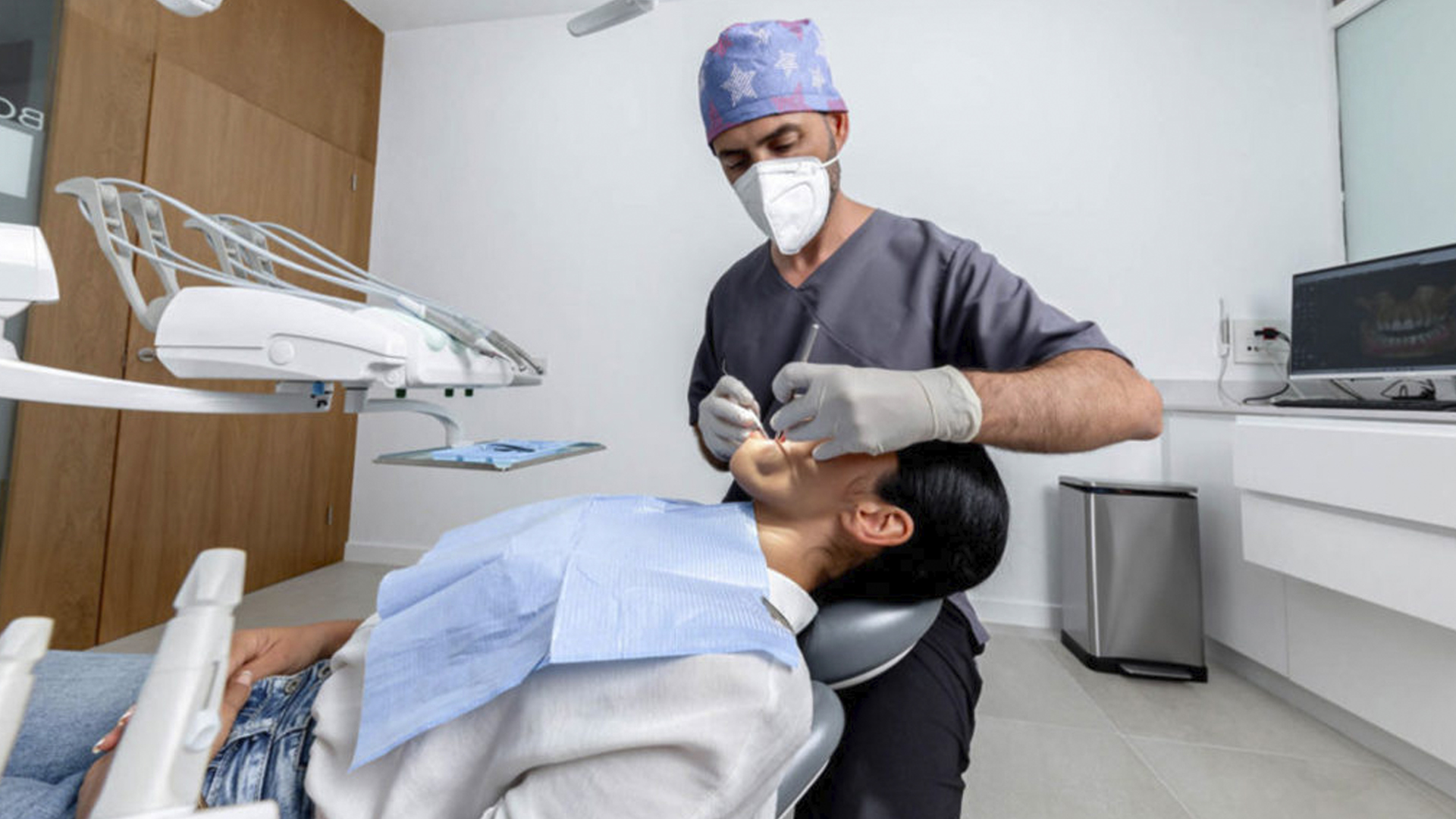

Wisdom tooth pain has a way of turning a normal day into a long, miserable one. It can start as pressure behind the last molar, then sharpen into throbbing pain that reaches the ear, jaw joint, throat, or temple. By evening, some people cannot chew, sleep, or even close their teeth comfortably. When that pain escalates quickly, finding an Emergency Dentist Ventura patients can reach without delay becomes less about convenience and more about getting control of swelling, infection, and severe discomfort before the problem worsens.
Not every wisdom tooth ache is a true emergency, but many are more serious than people first assume. Third molars tend to erupt late, often when the jaw has limited space left. That crowded position can trap gum tissue, food, and bacteria. The result may be inflammation, a partially erupted tooth, pressure against the neighboring molar, or an active infection that needs prompt attention. I have seen people wait a few days hoping it would pass, only to end up with facial swelling, difficulty opening the mouth, or pain so intense they could not function at work.
Why wisdom teeth become a problem so quickly
Wisdom teeth sit at the very back of the mouth, which already makes them harder to clean. If they come in straight and have enough room, they may remain uneventful for years. That is the best case. In practice, many erupt at an angle, remain trapped under the gum, or break through only partway.
A partially erupted wisdom tooth creates one of the more frustrating situations in dentistry. The gum flap over the tooth can collect debris and bacteria. That irritated tissue often becomes swollen and tender, a condition commonly known as pericoronitis. Patients usually describe a deep soreness at first. Then they notice a bad taste, pain with chewing, tenderness when touching the area, and sometimes swelling that spreads into the cheek or jawline. In more advanced cases, even swallowing can feel uncomfortable.
Another issue is pressure. A wisdom tooth that pushes forward may irritate the second molar in front of it. That can leave patients with pain that seems hard to locate. They point to the whole back side of the jaw rather than one exact tooth. Sometimes the wisdom tooth itself is the problem. Sometimes the nearby molar develops decay, gum inflammation, or root irritation because the area is so difficult to clean.
There is also the risk of cyst formation around impacted teeth, though that is less common and usually discovered through imaging. The larger point is that wisdom teeth do not have much margin for error. When they go wrong, they often go wrong fast.
When urgent pain crosses into emergency territory
People often ask whether severe wisdom tooth pain requires same-day treatment. The answer depends on the symptoms, but certain patterns deserve prompt evaluation. Pain alone matters, especially if it is intense and worsening, but swelling and signs of infection move the situation into more urgent territory.
An Emergency Dentist Ventura provider will usually want to know how quickly the pain started, whether there is visible swelling, whether you have trouble opening your mouth, and whether fever or drainage is present. Those details help separate a painful but stable situation from one that needs immediate intervention.
Watch for these signs that the problem should not wait:
- Swelling in the gum, cheek, or jaw that is increasing over hours
- Difficulty swallowing, speaking clearly, or opening the mouth
- Fever, chills, or a general sick feeling along with tooth pain
- Pus, a foul taste, or drainage near the wisdom tooth
- Pain that is severe enough to prevent sleep, eating, or routine activity
If swelling starts affecting breathing or swallowing in a serious way, that is no longer a routine dental issue. It may require emergency medical care right away. Dental infections can https://gregorylmtt638.northstarcolumn.com/posts/how-to-prepare-for-a-visit-to-an-emergency-dentist-ventura spread into deeper spaces of the face and neck. That is uncommon, but when it happens, it is not something to monitor at home overnight.
What an emergency dental visit usually involves
A good urgent dental visit for wisdom tooth pain is focused and practical. The first goal is to identify the source. Not every ache in the back of the mouth comes from a wisdom tooth. Cracked molars, gum abscesses, bite trauma, sinus pressure, and jaw joint pain can all mimic it. A careful exam and appropriate X-rays usually clarify what is happening.
If the issue is inflamed gum tissue around a partially erupted wisdom tooth, the dentist may irrigate the area, reduce trapped debris, and prescribe medication if infection is present or strongly suspected. If the pain is from pressure, decay, or an impacted tooth that is unlikely to improve, the conversation may shift toward extraction. In some offices, removal can happen the same day if the case is straightforward and swelling is manageable. In other cases, especially difficult impactions or situations requiring sedation, pain and infection are stabilized first and the extraction is scheduled promptly.
Patients are often surprised that immediate extraction is not always the first move when the area is acutely infected and swollen. Judgment matters here. If the tissues are tight, visibility is poor, or numbness may be less effective because of infection, a dentist may prefer to calm things down before surgery. That is not a delay for its own sake. It is often the safer, more predictable route.
What you can do before you get to the office
At-home care will not solve an infected or impacted wisdom tooth, but it can help you get through the next few hours with less pain and less irritation. The key is to avoid anything that increases swelling, burns tissue, or masks symptoms while the underlying problem progresses.
A short, sensible plan looks like this:
- Rinse gently with warm salt water several times a day
- Use a cold compress on the outside of the cheek in 15-minute intervals
- Take over-the-counter pain medication only as directed on the label, if you are medically able to do so
- Avoid chewing on that side and stick to softer foods
- Call an emergency dental office early, because same-day appointments fill fast
Warm salt water helps because it soothes irritated tissue and can dislodge some trapped debris without the harshness of strong mouthwash. Cold compresses are better than heat on the outside of the face when visible swelling is present. Heat tends to feel comforting in the moment, but it can increase throbbing in some cases.
One caution that comes up often: do not place aspirin directly on the gum. People still try this because it sounds old-fashioned and practical. It is neither. Aspirin can chemically irritate soft tissue and leave the area even more painful.
How Ventura patients often describe the pain
Wisdom tooth pain has a few classic patterns. One is the dull, pressurized ache that builds over several days and then flares sharply when chewing. Another is a hot, throbbing pain that seems to pulse with your heartbeat, often worse when lying down at night. Then there is the inflamed gum pattern, where the pain feels more like tenderness and swelling around the back tooth, with pain radiating when the upper and lower teeth meet.
A patient once described it as “feeling like the back of my jaw was bruised from the inside.” That is a useful description. Wisdom tooth problems often create a deep, internal soreness rather than the sharp cold sensitivity people associate with a cavity. The location also makes it easy for pain to spread. The nerves of the jaw are not always precise storytellers. Ear pain, temple pain, and headaches can all be part of the same dental issue.
For Ventura residents, timing matters too. Pain tends to feel even more disruptive when it starts before a weekend, before travel, or during a period of heavy work demands. That is another reason to contact an Emergency Dentist Ventura office as soon as symptoms escalate, instead of waiting for a fully developed infection.
The role of X-rays and why they matter
You cannot judge a wisdom tooth fully by looking in the mirror. Some are completely hidden under the gum or bone. Others look only mildly irritated from above but are pushing against the next molar below the surface. Dental X-rays show angle, depth, root shape, proximity to the sinus in the upper jaw, and relationship to the nerve in the lower jaw.
Those details influence treatment decisions. A vertical, partially erupted tooth with inflamed gum tissue may be a straightforward extraction. A deeply impacted lower wisdom tooth with roots close to the nerve may require a more measured plan, sometimes with referral to an oral surgeon. Neither scenario should automatically alarm a patient, but they are not interchangeable. The image guides both urgency and technique.
From a practical standpoint, imaging also helps avoid the common mistake of treating symptoms only. A round of antibiotics may improve pain temporarily if infection is involved, but it does not change a poor eruption path, lack of space, or trapped position. If the tooth remains in place and the anatomy is unfavorable, the problem often returns.
Extraction now or later?
This is where experience matters. Some wisdom teeth are clearly destined to keep causing trouble. Recurrent inflammation, repeated swelling, decay, damage to the second molar, or chronic food trapping are strong reasons to remove them. Other cases are less immediate. A patient may have one flare, then months of quiet. The decision depends on age, anatomy, medical history, severity of symptoms, and how likely the problem is to recur.
Younger adults often heal more predictably after wisdom tooth removal than older adults, especially when roots are not fully developed. That does not mean every young adult needs all wisdom teeth removed preemptively. It does mean that when a problematic wisdom tooth is identified early, treatment can be simpler than waiting years for repeated infection and more difficult extraction.
There are also edge cases. A patient with limited ability to take time off work may choose to stabilize an active flare, then schedule removal for a planned recovery window. Someone with significant swelling and poor mouth opening may need the infection brought under control before surgery is safe and comfortable. Dentistry is full of these practical judgments. The right answer is not always “pull it today” or “leave it alone.” It is often a staged plan that balances urgency with predictability.
Pain relief, antibiotics, and realistic expectations
When wisdom tooth pain is severe, patients naturally want instant relief. Sometimes that happens. If a trapped pocket of debris is flushed out and pressure is reduced, pain can improve the same day. If the source is a true abscess or a badly impacted tooth, improvement may be more gradual, especially once inflammation has been building for several days.
Antibiotics have a role, but they are not a cure for every toothache. They are most useful when there is spreading infection, swelling, fever, or significant gum infection around the wisdom tooth. If the main issue is pressure, impaction, or decay without clear infection, antibiotics alone will not solve it. Overprescribing them creates false confidence and delays definitive care.
Pain medicine helps, but only within limits. Over-the-counter options can be effective for temporary relief when used correctly and when medically appropriate for the individual patient. Dentists also look at the source of pain. A sore gum flap needs a different plan than a fractured molar or a deeply impacted tooth pressing on surrounding structures.
What patients appreciate most is honesty. If the dentist believes you will keep having flares until the tooth is removed, it is better to hear that clearly than to receive a short-term patch with no context.
What recovery usually looks like after urgent wisdom tooth treatment
If treatment stops short of extraction, recovery depends on how inflamed the area was at presentation. Mild pericoronitis may settle over a few days with irrigation, improved hygiene, and medication if needed. More advanced swelling may take longer. It is common for tenderness to improve before full jaw comfort returns.
After extraction, most people feel the first 48 to 72 hours most intensely. Swelling often peaks around day two or three before gradually easing. Soft foods, careful cleaning, and following the office’s instructions matter more than people realize. The back of the mouth is hard to see and easy to disturb, so patients sometimes assume they are healing poorly when the area is simply progressing through normal postoperative changes.
Dry socket is one complication patients worry about, and for good reason, because it can be very painful. It does not happen after every extraction, and risk varies, but following aftercare guidance reduces the chances. Smoking, aggressive rinsing too early, or disturbing the clot can interfere with normal healing.
Choosing the right Emergency Dentist Ventura office for this problem
Not every urgent dental office manages wisdom tooth cases in the same way. Some handle evaluation and stabilization well but refer surgical removals out. Others can diagnose, image, and extract in one setting depending on complexity. That is worth asking when you call, especially if your pain is severe and you want to avoid bouncing between offices.
A useful phone call is direct. Explain that the issue is likely a wisdom tooth, describe the swelling and pain level, and mention any difficulty swallowing, fever, or trouble opening your mouth. Ask whether the office sees same-day emergencies, whether X-rays can be taken onsite, and whether wisdom tooth extraction is available if needed. That information saves time.
Ventura patients often value two things in an emergency setting: speed and clarity. Speed gets you out of escalating pain. Clarity tells you whether today’s visit is a temporary measure or the first step toward a permanent fix. Both matter.
Why delaying can cost more than a day of discomfort
People sometimes postpone care because the pain seems to come and go. That is common with wisdom teeth. The tissue gets inflamed, calms down, then flares again when food packs into the area or the tooth shifts slightly more into eruption. The temporary improvement can be misleading.
Repeated inflammation can make the surrounding gum more reactive. It can also affect the tooth in front, which is far more valuable for long-term chewing function than a problematic wisdom tooth at the back. I have seen second molars develop cavities in spots patients cannot clean because a wisdom tooth is leaning into them. That kind of damage is frustrating because it turns one problem tooth into two.
Financially, early evaluation is often simpler than late-stage rescue. A limited emergency exam and imaging may reveal a manageable issue before it becomes a widespread infection, a more difficult extraction, or damage to adjacent teeth. Even for people trying to be careful with healthcare spending, delay is not always the economical choice.
The bottom line when the pain will not let up
Urgent wisdom tooth pain rarely rewards patience. When the back of the jaw is throbbing, the gum is swollen, or the side of the face is starting to puff up, it is time to get the area examined. A trusted Emergency Dentist Ventura office can determine whether the problem is inflamed gum tissue, impaction, decay, infection, or something else entirely. More importantly, they can separate what can wait a day or two from what needs action now.
Most patients do best when they treat worsening wisdom tooth pain as a real dental problem, not an inconvenience to push through. The sooner the source is identified, the more options you usually have, and the better your chances of avoiding a sleepless night that turns into a larger emergency.
Avra Dental
1708 S Victoria Ave B, Ventura, CA 93003, United States
Phone: +1 805-765-3206
FAQ About Emergency Dentist Ventura
Can the ER do anything for tooth pain?
An emergency department can assess serious symptoms and provide temporary relief, but definitive dental treatment usually requires a dentist. Trouble breathing or swallowing, uncontrolled bleeding, or swelling spreading into the neck requires emergency medical care.
What do I do if I have a dental emergency and no dentist?
Contact a local emergency dental practice promptly, explain your symptoms, and ask about the earliest available assessment. Avra Dental provides emergency dentistry in Ventura; call to confirm availability. If you have life-threatening symptoms or a serious facial injury, go to an emergency department or call 911.
What do I do if tooth pain is unbearable?
Seek urgent dental assessment rather than waiting for the pain to pass. While arranging care, gently rinse with warm water and avoid placing aspirin directly on the tooth or gums. Severe pain with trouble breathing or swallowing, rapidly spreading swelling, or uncontrolled bleeding needs immediate emergency medical care.